Stand Tall: How Pilates Helps Improve Posture and Everyday Alignment
Stand Tall: How Pilates Helps Improve Posture and Everyday Alignment
This article is for interest and information only and is neither advice nor instruction
Posture is something many of us think about from time to time—often when we notice stiffness, fatigue, or that familiar reminder to “sit up straight.” In reality, posture is less about holding a fixed position and more about how our bodies support us throughout the day. Pilates offers a thoughtful, practical way to explore this, helping us build awareness of how we sit, stand, and move in everyday life.
At its core, Pilates encourages us to pay attention. Rather than moving on autopilot, we’re invited to notice how our body is positioned and how different parts are working together. This increased awareness is often the first step towards improving posture. By recognising habits—like rounding or hunching of the shoulders or leaning more to one side than the other—we can begin to make small, gradual adjustments. The start of almost every class I teach begins with a moment of postural awareness and checking in with the body.
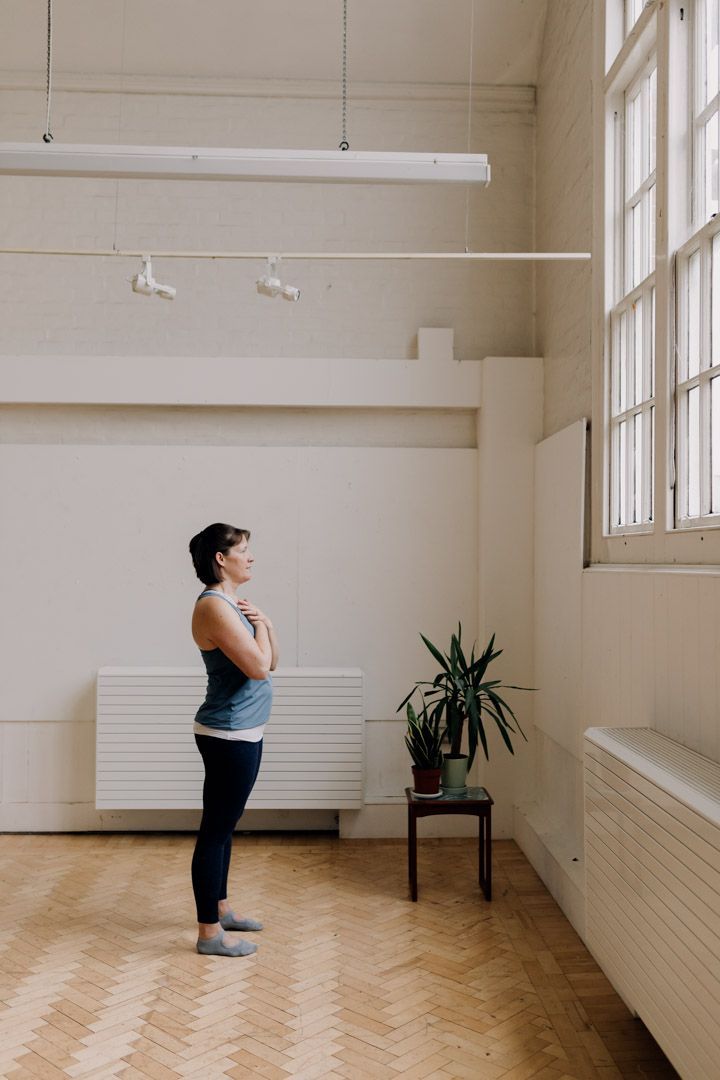
A key element of Pilates is its focus on alignment. This doesn’t mean striving for a rigid or “perfect” posture, but rather finding a position that feels balanced and supported. Through controlled exercises, we explore how the head, shoulders, spine, and pelvis relate to one another. Over time, this can help us develop a clearer sense of what good alignment feels like in our own bodies.
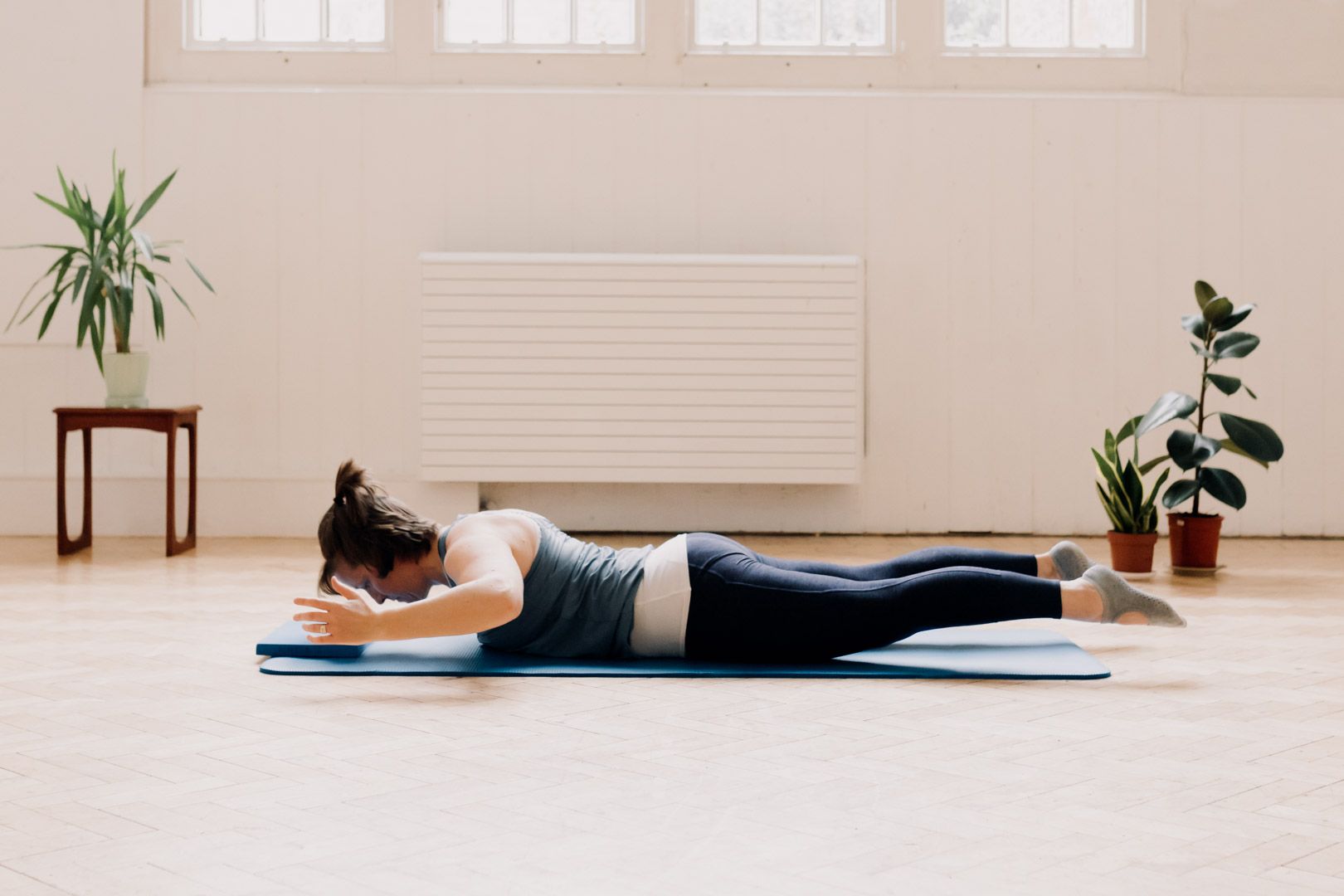
Strength also plays an important role. In Pilates, we work on building strength in the muscles that support the spine, including those in the back, abdomen, and around the pelvis. When these muscles work together effectively, they can help us maintain an upright position with less effort. This isn’t about holding ourselves stiffly, but about creating a sense of gentle support that allows for natural movement.
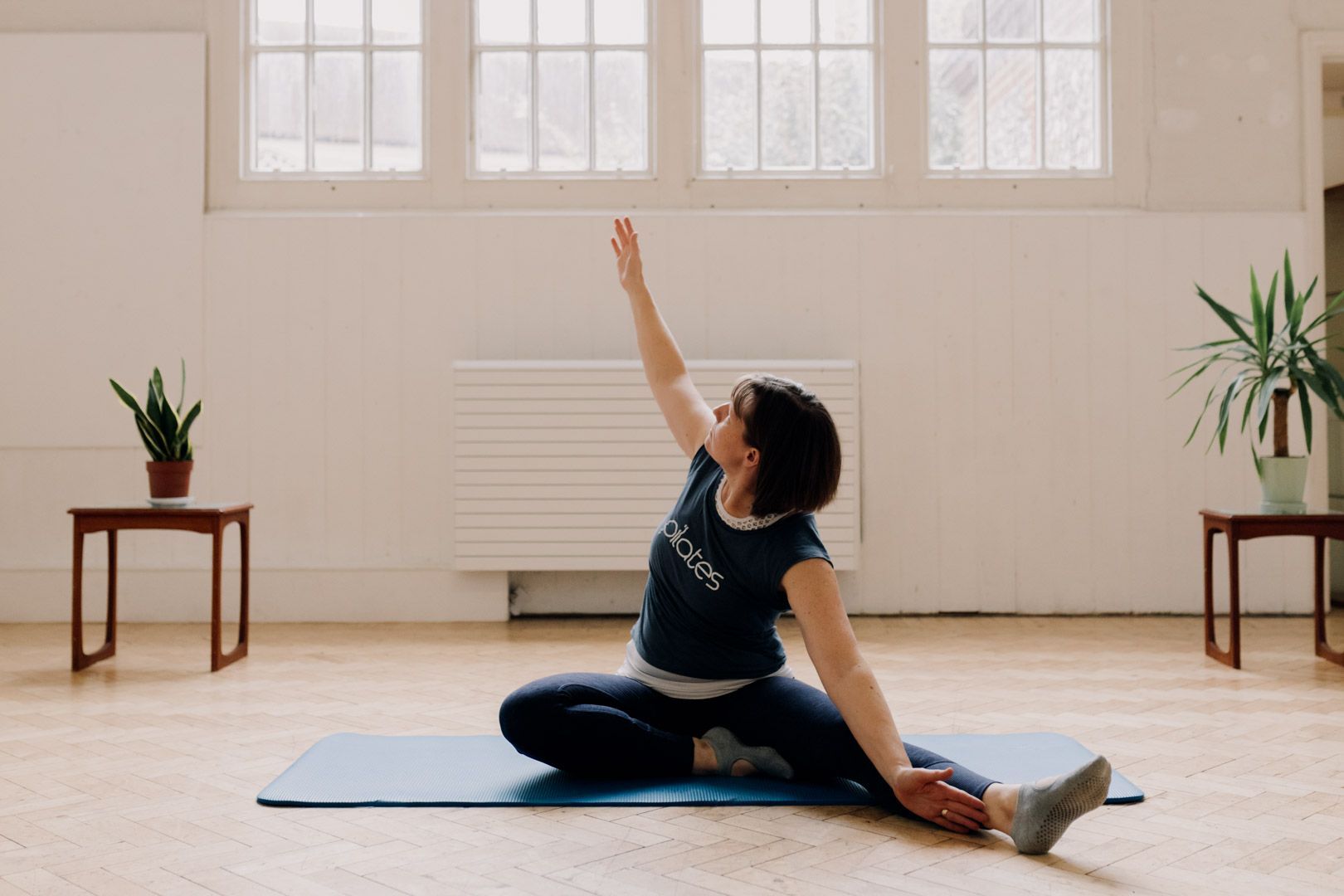
At the same time, Pilates acknowledges that tightness can influence posture. Areas like the chest, hips, or shoulders may feel restricted, especially if we spend long periods sitting or repeating similar types of movements each day. Through controlled, flowing exercises, we can begin to ease some of this tightness, allowing the body to move more freely and settle into a more comfortable alignment. I especially love the chest opener type movements for this reason, as they gently rotate the spine whilst also allowing the structures in the front of the chest and shoulders to gently stretch and lengthen.
Breathing is another important part of the process. In Pilates, we coordinate breath with movement, which can help reduce unnecessary tension. When we breathe steadily and fully, it often becomes easier to avoid bracing or holding ourselves rigidly. This can support a posture that feels more relaxed and sustainable, rather than forced. The main breathing muscle, called the diaphragm is attached to the lower spine, and through connective tissue to the hips and pelvis, so breathing and posture are very closely inter-related.
One of the strengths of Pilates is how it connects what we do in a session to how we move outside of it. The awareness and strength we develop on the mat can carry over into everyday activities—whether we’re sitting at a desk, walking, or lifting something at home. Over time, small changes in how we organise our bodies can make a noticeable difference in how we feel throughout the day.
Importantly, Pilates approaches posture as something that evolves, rather than something we need to “fix” all at once. By working consistently and within a comfortable range, we give our bodies the opportunity to adapt gradually. This steady approach can feel more manageable and more realistic than trying to hold a perfect position all day.
Pilates doesn’t promise a dramatic transformation overnight. Instead, it offers a supportive way to build awareness, strength, and ease in how we hold ourselves. With regular practice, we may find that standing tall feels less like an effort and more like a natural extension of how our body is designed to move and be supported. If this sounds like something you’d like to experience, feel free to contact me using the form below. My classes are held in Hook Village Halls and welcome all adults from beginners and beyond, booking is required.
Email me
Photography credit to Ewa Jones Photography