Stronger Every Session: The Full-Body Strength Benefits of Pilates
Pilates - an alternative approach to traditional strength training?
This article is for interest and information only and is neither advice nor instruction
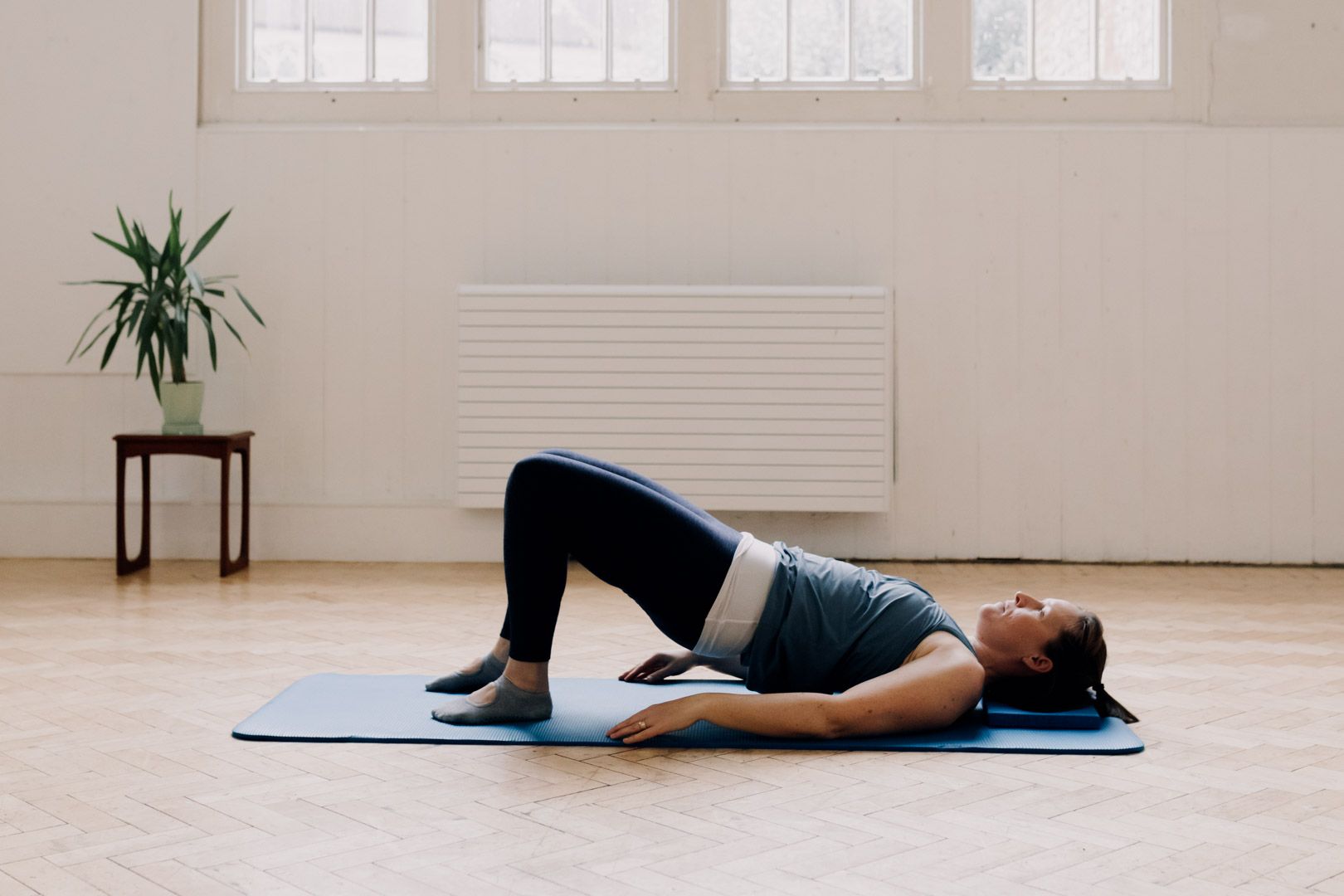
Pilates offers an alternative approach to traditional strength training—one that focuses on control, consistency, and using our own body weight to develop strength in a gradual, balanced way. While it may look gentle from the outside, Pilates can be surprisingly effective at helping improve strength across the whole body.
One of the defining features of Pilates is its emphasis on controlled movement. Rather than rushing through repetitions, each exercise is performed with precision. The slower pace can increase the amount of time that muscles spend under tension, which can help build strength in a steady and manageable way. It also encourages members to notice how their body is working, rather than simply trying to complete a set number of repetitions. This is aided by careful instruction including verbal cueing, demonstration and gentle correction.
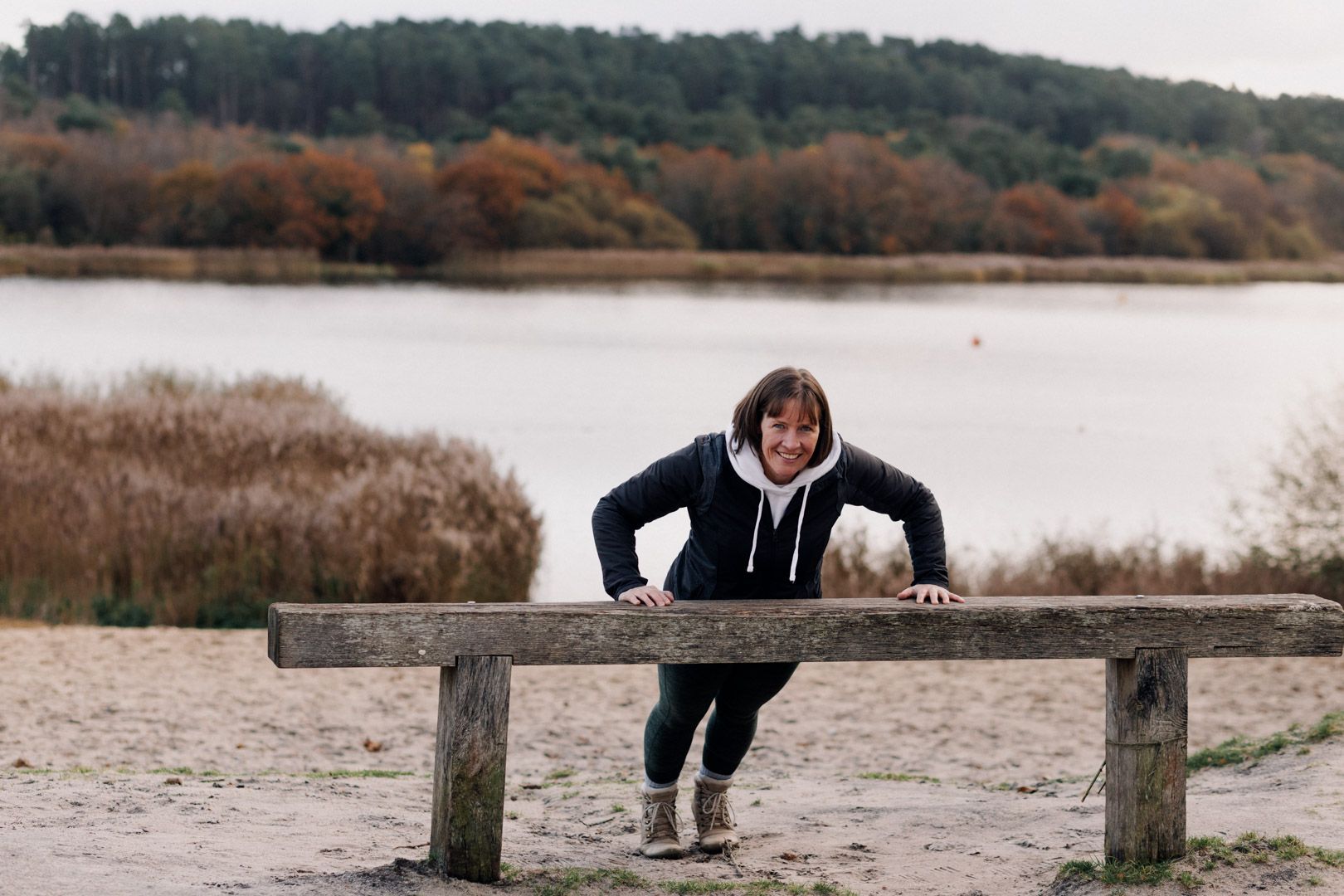
Pilates is often associated with core strength, and for good reason. Many exercises involve the muscles around the abdomen, lower back, and pelvis working together to support movement. Instead of isolating these muscles, Pilates integrates them into a wide range of exercises, helping participants to develop a sense of stability that often carries over into other activities. However, this doesn’t mean the rest of the body is ignored.
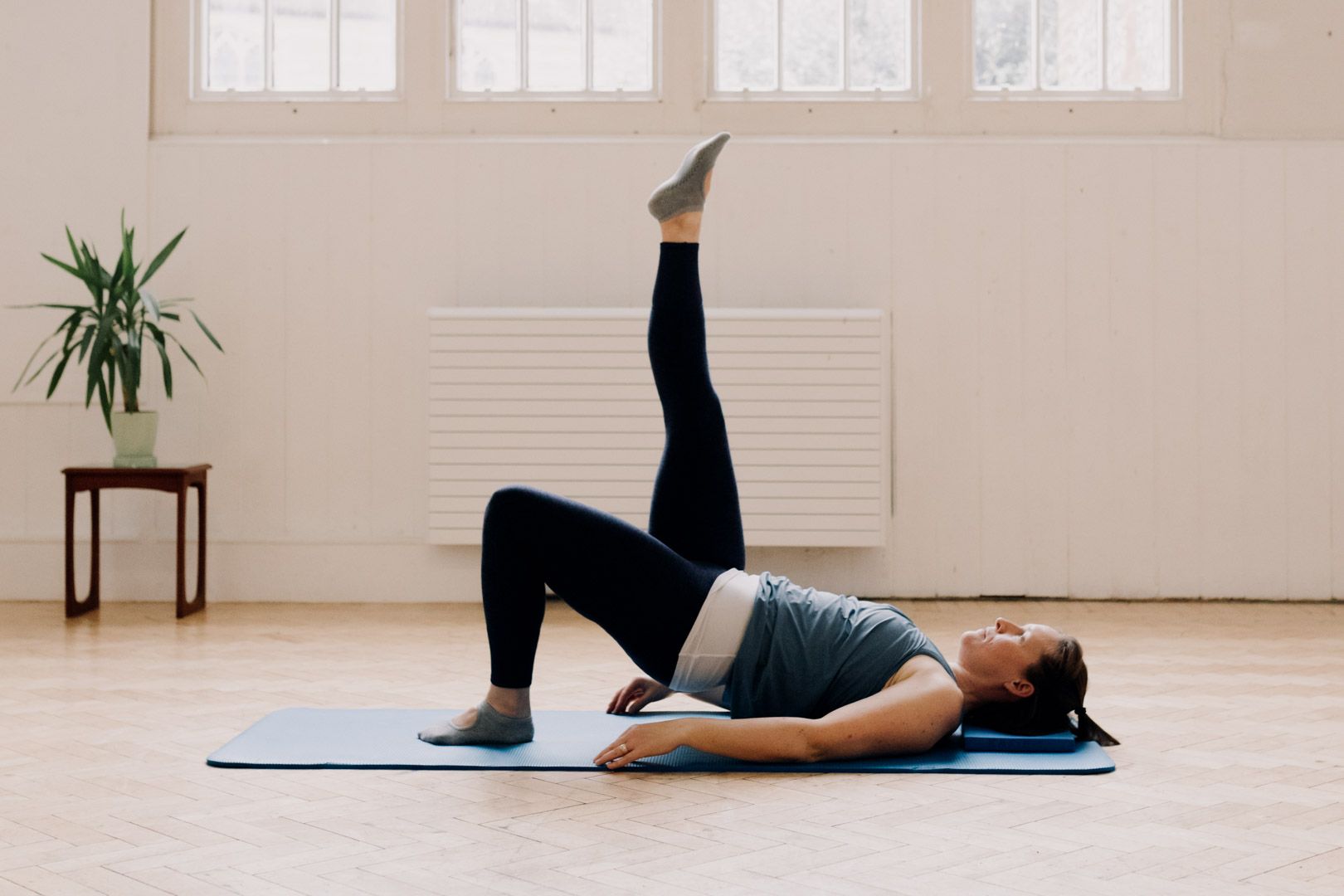
Katie’s Pilates sessions also aim to challenge muscles in the legs, glutes, arms, shoulders and back. Movements may appear simple, but when performed with control, they can feel demanding in a different way to traditional strength training. Over time, this can contribute to a more balanced sense of strength, where different muscle groups work together rather than isolating the effort to a small area of the body.
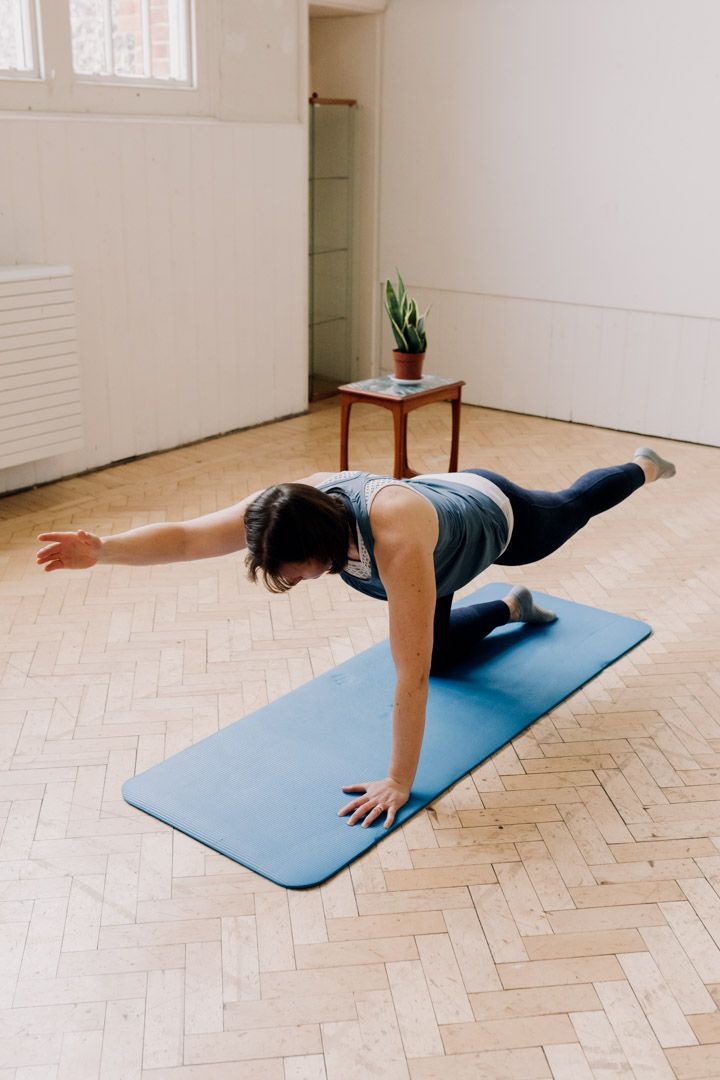
Another important aspect of Pilates is its focus on alignment. One aspect of strength relates to how effectively the body is organised during movement. By encouraging good alignment, Pilates helps muscles to work more efficiently. This can make everyday tasks, like lifting, carrying, or even sitting for long periods, feel a little easier and more supported. Rather than focusing solely on one type of movement, Pilates encourages strength across different positions and ranges of motion. This can help class members to feel more capable and confident in their everyday activities, and also in their other forms of exercise, such as running, racket sports, dance, or weight training.
Breathing also plays a role in how strength develops during Pilates. Coordinating breath with movement can help reduce unnecessary tension and support smoother, more controlled exercise. For many people, this creates a sense of rhythm and flow, making strength work feel less strained and more connected.
One of the reasons Pilates appeals to a wide range of people is its adaptability. Exercises can be adjusted to suit different levels, whether that’s beginners or those more experienced. Small changes—like altering the position of our limbs, making movements bigger, or slowing the tempo—can significantly change how demanding an exercise feels. This means that strength can continue to build over time without needing to continually change the routine, whilst also allowing people of varying experience levels to participate in the same class.
My personal view is that Pilates would ideally form part of a varied movement diet, one that also includes some form of cardiovascular training, as well as resistance work. However, many people do not enjoy gym training or traditional cardio training such as running, and therefore Pilates may provide an accessible entry point to exercise for them. It may also be a fantastic addition for those already doing a more strenuous, or perhaps repetitive, exercise programme, by adding a session of controlled, aligned and core-focussed exercise to their movement diet. Katie’s Pilates doesn’t aim to push people to their limits in a single session; indeed, the classes positively promote self-awareness and listening to the body. Instead, I hope to support a gradual, consistent approach to building strength. With regular practice, my goal is for my class members to gradually feel more stable, coordinated, confident, and stronger – session by session.