Why Hip Stability Matters in Pilates: Training for the Moments When Life Gets Unsteady
Staying upright when life challenges our balance
When we think about balance, we often imagine standing perfectly still on one leg, but in everyday life, balance rarely looks like that. We balance while walking, stepping over obstacles, turning and changing direction, climbing stairs, or moving around the kitchen carrying a cup of tea to name just a few examples. Much of everyday movement involves brief moments when our weight is supported by one leg. This is one reason why exercises that train balance with movement can be so valuable in a Pilates class. It isn't simply about being able to perform a difficult-looking exercise. It's about improving our ability to remain upright when we face challenges to our balance outside the class.
Our hips are part of our balance system
The hips don't just move the legs. They also help control the position of the pelvis when we are standing, walking and moving from one leg to another. When we walk, there is a continuous cycle of shifting of our weight from one leg to the other. For a brief moment, during each cycle, our entire body is supported by one leg. The ability to control that transition becomes increasingly important as we age. Good hip stability can help us maintain a more controlled position as our weight shifts and helps prevent compensatory movement patterns from developing. Pilates gives us an opportunity to practise this in a safe and controlled environment.
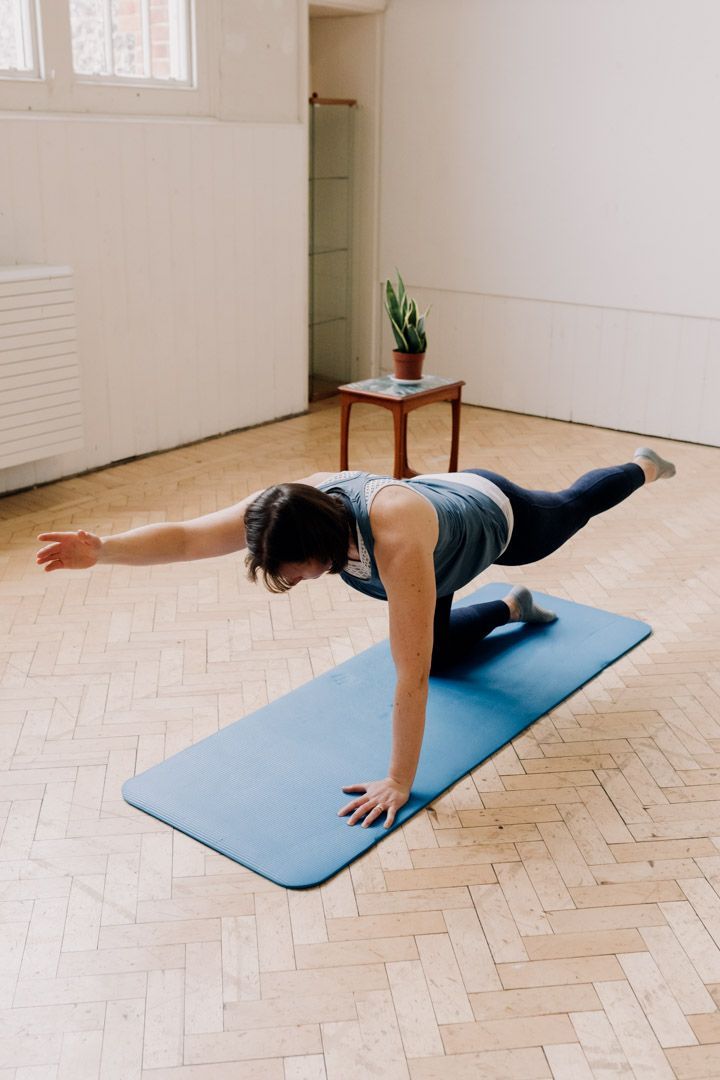
The connection with walking
Walking can look effortless, but it’s a sophisticated balance activity that involves weight transfer; single-leg support; body weight moving over the standing foot; and swing through on the free leg. As we age, maintaining strength is important—but strength on its own isn't the whole story. We also want to maintain the ability to control our body when our weight shifts or our environment changes.
Challenging scenarios in daily life include stepping off an uneven kerb; stepping over the dog; turning quickly when someone calls our name; walking across an uneven patch of ground; or reaching sideways whilst standing on one leg.
These situations require more than simply having strong muscles. They require the ability to respond, adjust and regain control. Practising single-leg stability work in Pilates gives us a chance to rehearse these skills before we need them in everyday life.
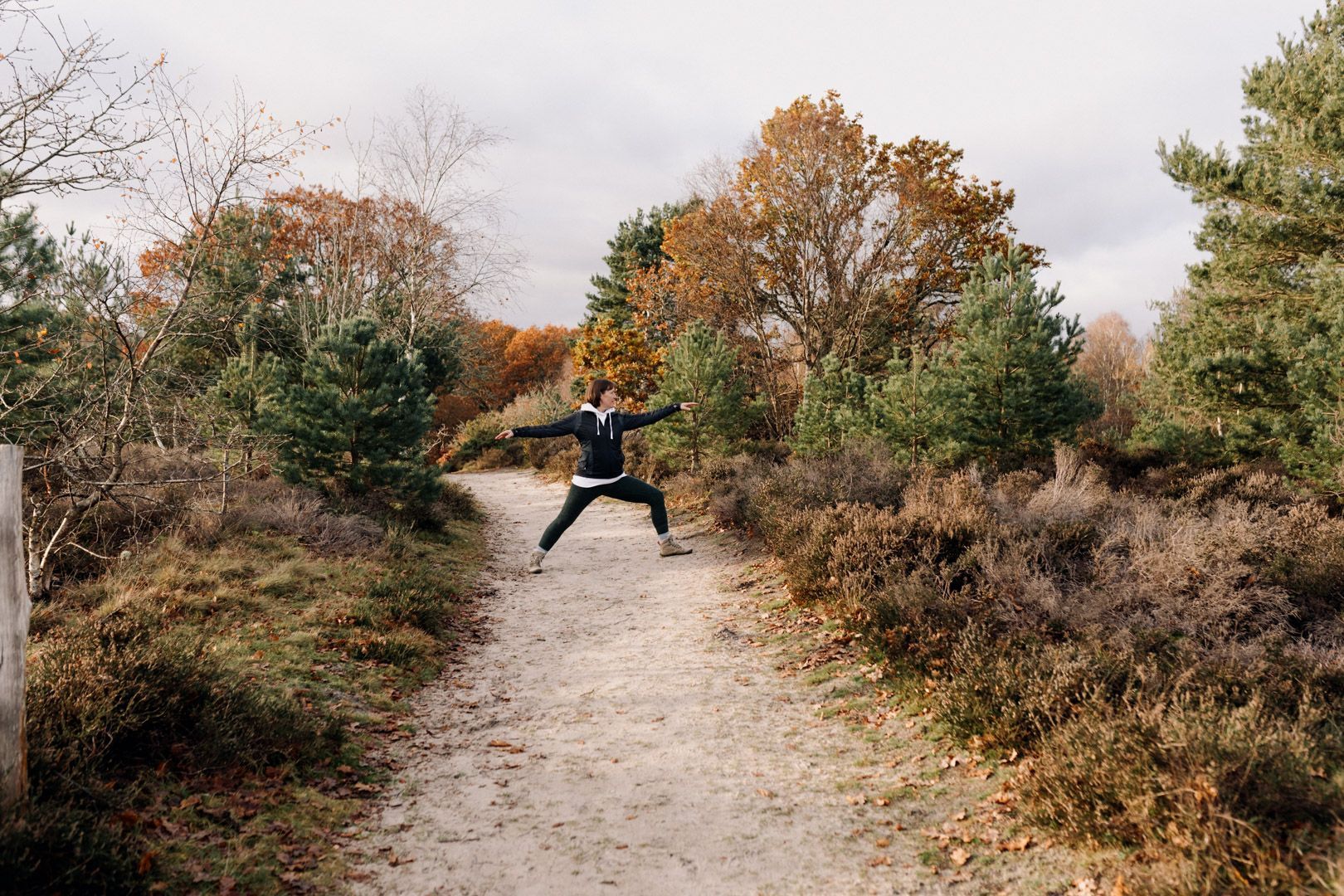
Hip stability and the stairs
Stairs are another great example. When climbing up the stairs, we repeatedly transfer our body weight from one leg to the other. The supporting leg must control the pelvis whilst the other leg lifts up to the next step. Both legs work in synergy to produce enough force to move the body upwards. We then face a different challenge when coming down the stairs. We need to control our descent and manage our body weight as we move onto the next step down without over balancing forwards, or landing heavily onto the lowering leg. This combination of strength, control and balance is why single-leg exercises can be such a useful part of a Pilates programme.
Even getting into a car involves single-leg control. We typically stand on one leg momentarily as we turn, pivot and lower ourselves into the seat. Getting back out involves another transfer of weight and a controlled shift into standing. The better our body can manage these transitions, the more confidently we can perform them. Pilates exercises are not a perfect replica of getting into or out of a car, however they can train some of the physical ingredients that the task requires, such as hip stability, weight transfer, balance and control. This is particularly valuable as we get older because the process of ageing can feel like all these things are becoming harder to maintain.
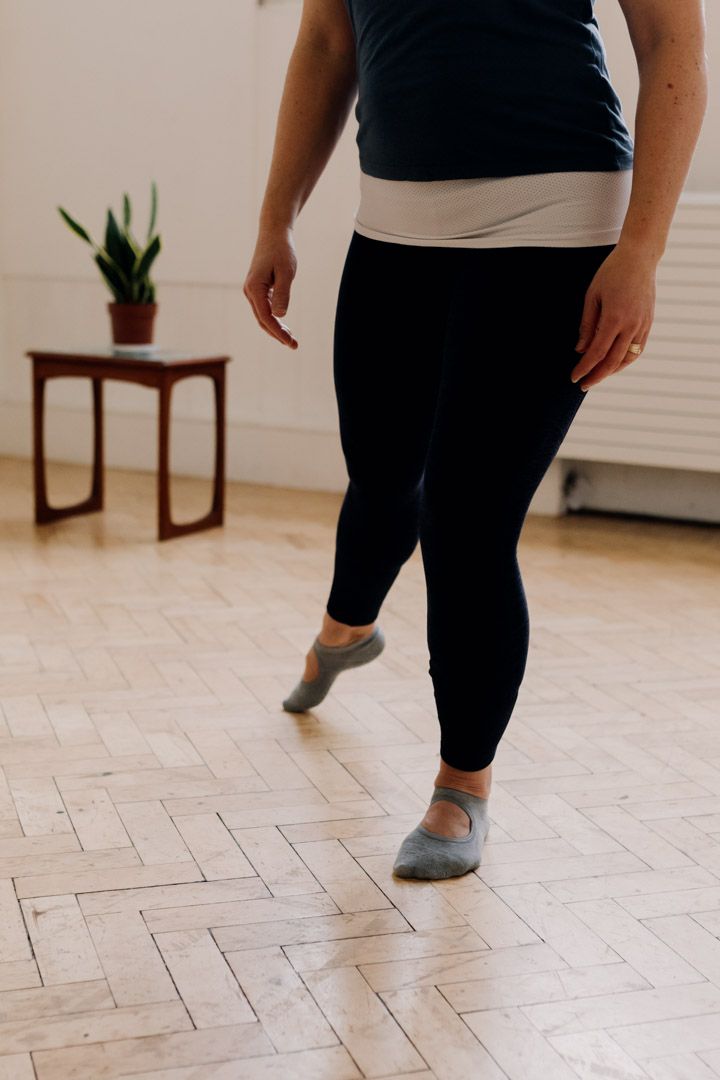
Preparing our body for life not just for Pilates!
Certain single-leg Pilates exercises may look relatively advanced, but they can be modified to suit varying levels of ability. However its real value isn't in how impressive it looks in class. Its value lies in what it represents.
The ability to stand on one leg.
To transfer weight.
To control the pelvis.
To stabilise through the hip.
To adjust when the body moves.
To recover when balance is challenged.
These are skills that support everyday independence, and maintaining those abilities over the years can make a meaningful difference to how freely we move through the world. Ultimately, Pilates isn't about preparing our body for Pilates. It's about preparing our body for life.
There are various examples of how we can use Pilates exercises to practise the physical skills that help us remain capable, confident and independent as we age, and as always there are multiple levels of difficulty within Katie’s classes, so everyone can work at their own level. If you’d like to join us for a regular weekly class in Hook, just send Katie an email via the contact me page and enquire. Booking is required in all groups, all adults are welcome from beginners and beyond.